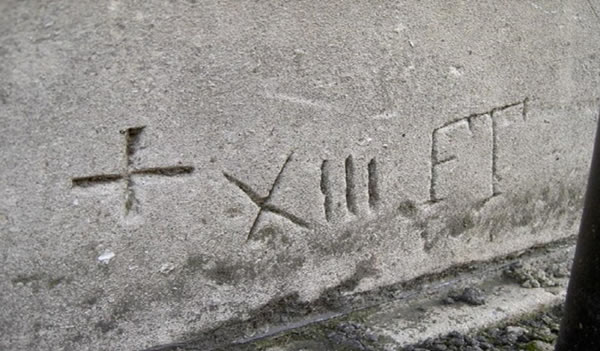
Knowing some of the history of Freemasonry not only helps us understand from where it came from but also helps us be part of its future. There are several theories about the origins of Freemasonry and even when Freemasonry as we know it came into being.
The general consensus amongst masonic scholars is that it descends directly or indirectly from the organisation of operative stone masons who built the great Abbeys, cathedrals and castles of the middle ages and debate exists as to where it originated. Difference between the various points of view turn largely on their view of the connection, if any, between what we call ‘operative’ and ‘speculative’ masons.
The word ‘operative’ describes working masons, those who actually work with stone. The trade of the working stone mason reached its zenith with the building of the castles and great cathedrals from the 12th to the 16th centuries. AJ Taylor speaks of the construction of Beaumaris Castle (in about 1290) which involved a labour force of 400 masons, 2,000 minor workmen, 200 quarrymen and 30 smiths and carpenters with a supply organisation of 100 carts, 60 wagons and 30 boats. The history of Freemasonry is rich and colourful dating back to much earlier times than the crusades.
Lovells Bury Lodge No. 4018 is a Craft Lodge. Craft being the basis for Freemasonry globally but over that long period of time several so-called side orders have existed many of which are active and healthy today.